
A Beginner's Guide to Afternoon Tea Etiquette (Without the Fancy Hotel)
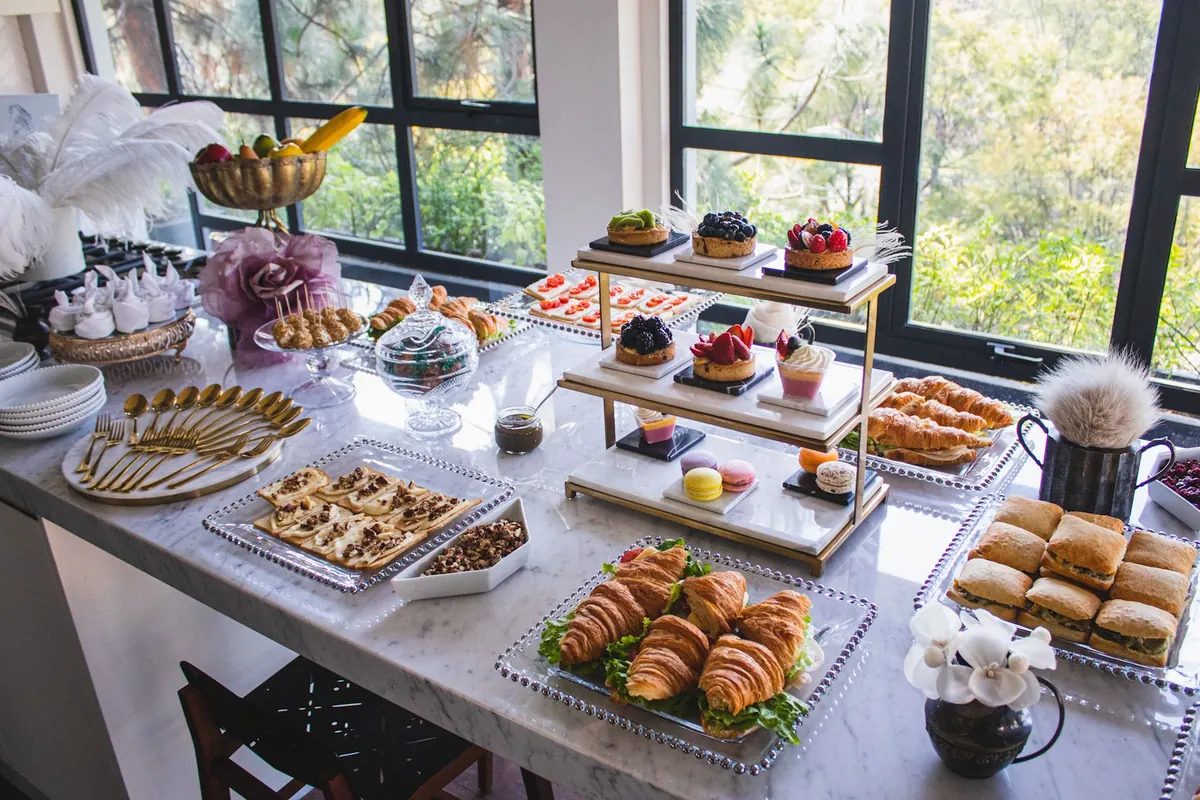
Afternoon tea has a reputation problem. Say the words and people picture chandeliers, a pianist, and a tiered stand priced like a weekend away. But the custom started small: someone hungry at four o'clock asked for a tray in her sitting room. The hotel version came later, dressed up for occasions. The actual habit is ordinary and repeatable — tea, a few small things to eat, and company in the late afternoon. Here's what to know if you're hosting one at home or attending your first.
What Afternoon Tea Is, and What It Isn't
Afternoon tea lands between lunch and dinner, usually somewhere between three and five. The food is deliberately light: a few bites of savory, a scone, something sweet. It is not a meal, and it is not meant to be one.
Two related customs get tangled up with it. High tea is the heartier, later one — a working meal with meat, bread, and a proper pot, served at a high table rather than a low parlor one. The "high" refers to the furniture, not the elegance. Cream tea is narrower: scones, jam, cream, and tea, nothing else.
And then there is the cream-versus-jam order, a genuine regional dispute. Devon tends to put cream down first; Cornwall spreads jam and spoons cream on top. Choose a side, expect friendly argument, and don't let anyone tell you the other way is a crime.
The Courses, in Order
A traditional tea moves in a loose sequence. You don't need a silver stand to follow it — separate plates work fine.
- Tea. Poured once everyone is seated, with the pot left on the table for refills. Offer milk, lemon, and sugar; let people fix their own cup.
- Savories. Finger sandwiches, cut into two-bite pieces, crusts trimmed if you're feeling traditional. Tiny tarts, a slice of quiche, or a small sausage roll all belong here too.
- Scones. Warm, split or broken by hand, with thick cream and jam. This is the hinge of the whole affair.
- Sweets. Small pastries, a slice of cake, a tart, a square of fruitcake. One or two per person is plenty.
- More tea. The pot should never run dry before the last sweet is gone.
If you're using a tiered stand, work from the bottom up — sandwiches, then scones, then the top tier. If you're using plates, bring them out in that same order.
How to Hold the Cup, and Other Small Mechanics
None of this is difficult, and all of it is worth knowing so you can stop thinking about it.
- Lift the cup by the handle with your thumb and one or two fingers. Don't hook a pinky out; it looks affected and does nothing.
- Seated, the cup travels alone. Standing or at a buffet, hold the saucer in one hand and the cup in the other.
- Stir gently, back and forth, without letting the spoon ring against the porcelain. Then rest the spoon on the saucer, behind the cup, and leave it there.
- Sip rather than gulp. Don't blow across the surface to cool it; give it a minute.
- Napkin goes on your lap when you sit. Dab your mouth rather than wiping it. If you leave the table, the napkin goes on your chair; when you're finished, fold it loosely beside your plate.
Milk, Lemon, and the Question of Dunking
If you take milk, add it after the tea so you can judge the strength as you go. Lemon and milk don't belong in the same cup — the acid will curdle it. When you squeeze a lemon wedge, cup your free hand around it so the spray doesn't reach your neighbor.
Sugar comes from the bowl with the tongs, not your fingers. White, brown, or a cube; one spoonful of loose sugar is roughly one cube.
Dunking is the real dividing line. At a formal tea, no. At your own kitchen table, with a saucer waiting underneath, nobody is going to file a complaint. Know which room you're in.
Eating the Food Without Overthinking It
Sandwiches are finger food. Pick one up, eat it in two bites, and don't take it apart to inspect the filling. If a small pastry comes with a fork, use the fork. If it doesn't, use your fingers and then the napkin.
Scones are where people get nervous. Break off a bite-sized piece with your fingers, then add cream and jam to that piece alone — not to the whole scone at once. It keeps the last bite as good as the first and stops the plate from turning into a mess.
If food is served on a shared stand, take from the tier nearest you and don't hover over the rest. Pass plates along rather than reaching across someone's cup. And if you're the host, ask about allergies and dietary needs when you issue the invitation, not when the sandwiches are already made. A plain option — good bread, good butter, a plain scone — covers most situations without anyone feeling singled out.
Hosting a Tea at Home That Feels Easy
The trick is to serve less than you think you should, and to do most of it before anyone arrives.
- Keep it short. Ninety minutes is generous. Afternoon tea is a pause, not an event.
- Two teas, not five. One brisk and familiar — an Assam or English breakfast — and one lighter or scented, such as a Darjeeling or Earl Grey.
- Pre-warm the pot with hot water, tip it out, then add leaves. A tea cozy or a second pot keeps things hot without a scramble.
- Three foods, done well. Sandwiches, scones, one sweet. Ten fussy items on a stand reads as panic, not hospitality.
- Make sandwiches an hour ahead and cover them with a barely damp towel so they don't dry out. Warm the scones just before serving.
- Have hot water ready for anyone who likes their tea weak, plus milk, lemon slices, and sugar.
- Skip the tower if you don't own one. Plates in courses are calmer to serve and easier to eat from.
Seating can be a coffee table or a dining table. The only real requirement is somewhere to set a cup down within reach of every guest.
The Only Rules That Matter
Etiquette exists to make other people comfortable, not to test them. Hot tea, fresh food, and a chair for everyone will get you most of the way there. If a guest stirs too loudly or eats a scone in one bite or dunks, nothing has gone wrong — refill their cup and keep talking.
Practise on people you like. The second tea you host will be easier than the first, and by the third you'll have your own habits: which tea you keep on hand, how many sandwiches actually get eaten, the exact moment the scones should go in the oven. That's the tradition, really. A tray, a pot, and an hour that belongs to no one else.
Photo: Ludovic Delot / Pexels