

Spring Tea Picks: A Seasonal Guide to First Flush Darjeeling, Dragon Well, and Shincha
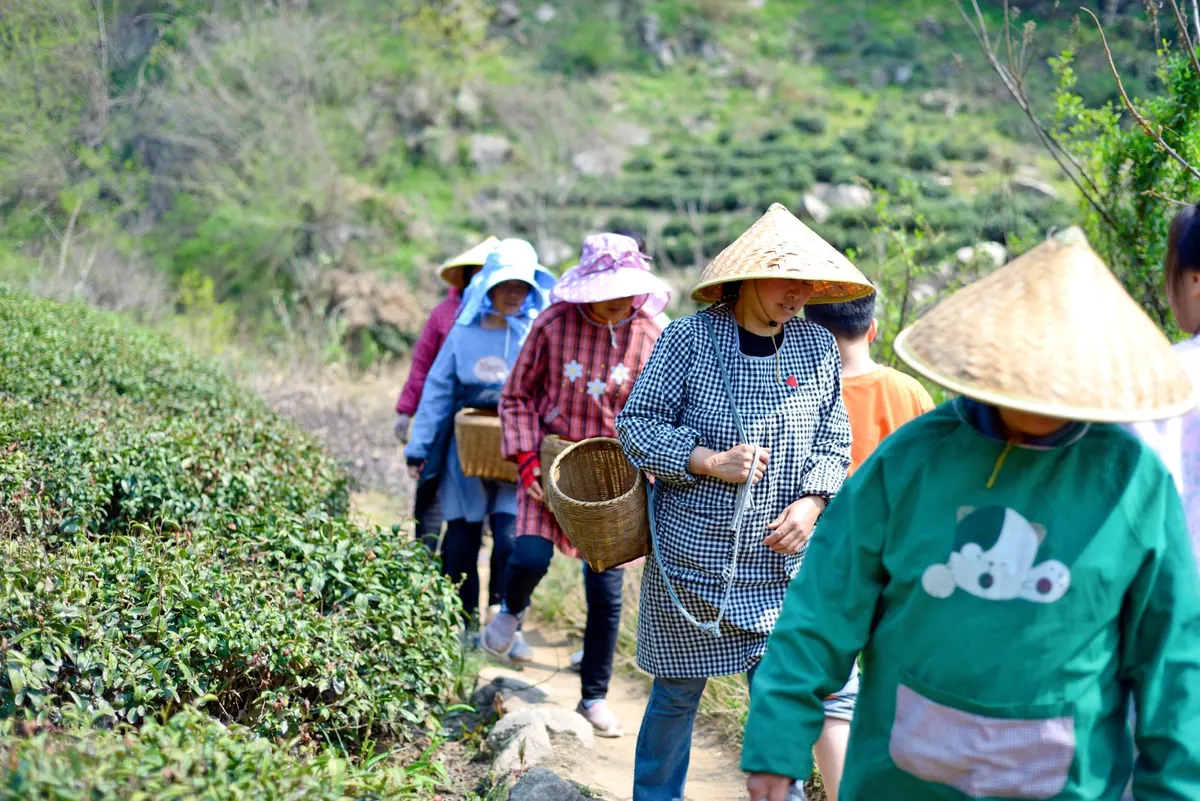
Spring tea doesn't wait. In Darjeeling, the first flush is picked across a few weeks in late March and early April. In Hangzhou, the finest Dragon Well is plucked before the Qingming festival. In Japan, shincha starts arriving from late April into May. Miss the window and you drink last year's story. What follows is a practical guide to three spring icons: what they taste like, why they taste that way, and how to brew them so the fresh notes actually make it into the cup.
What Makes a Spring Harvest Different
After winter dormancy, tea plants push out their first new growth slowly. Cool air and weak sun mean the leaves develop gradually, building up amino acids and sugars while bitter polyphenols stay comparatively low. That's the broad reason first-flush teas taste sweet, savory, and gentle instead of bracing.
It also means these teas are fleeting in character, not just in supply. The aromatics that make spring tea exciting — the florals, the green snap, the marine edge — fade with oxygen, heat, and time. Buying a small amount and drinking it within a few months isn't a compromise. It's the whole idea.
First Flush Darjeeling: Floral, Muscatel, Delicate
Darjeeling grows on steep Himalayan foothills where the bushes are mostly the small-leaf China variety, and the first flush is the lightest tea the region makes. Leaves are withered, rolled, and only partly oxidized, so you get a cup that sits somewhere between green tea and black tea — pale gold to light amber, with greenish-brown leaf and plenty of silver tips.
Flavor-wise, expect white flowers, green apple, a soft vegetal snap, and a muscatel grape note that's lighter than the one you'd find in a second flush. There's usually a pleasant astringency on the finish that keeps it from tasting thin. Second flush, picked in late May and June, is fuller, darker, and more strongly muscatel. First flush is the quieter, more aromatic cousin.
Brewing first flush Darjeeling
- Water: 85–90°C. Boiling water flattens the top notes.
- Leaf: about 2.5–3 g per 200 ml, or one heaped teaspoon.
- Time: 2–3 minutes for the first pour.
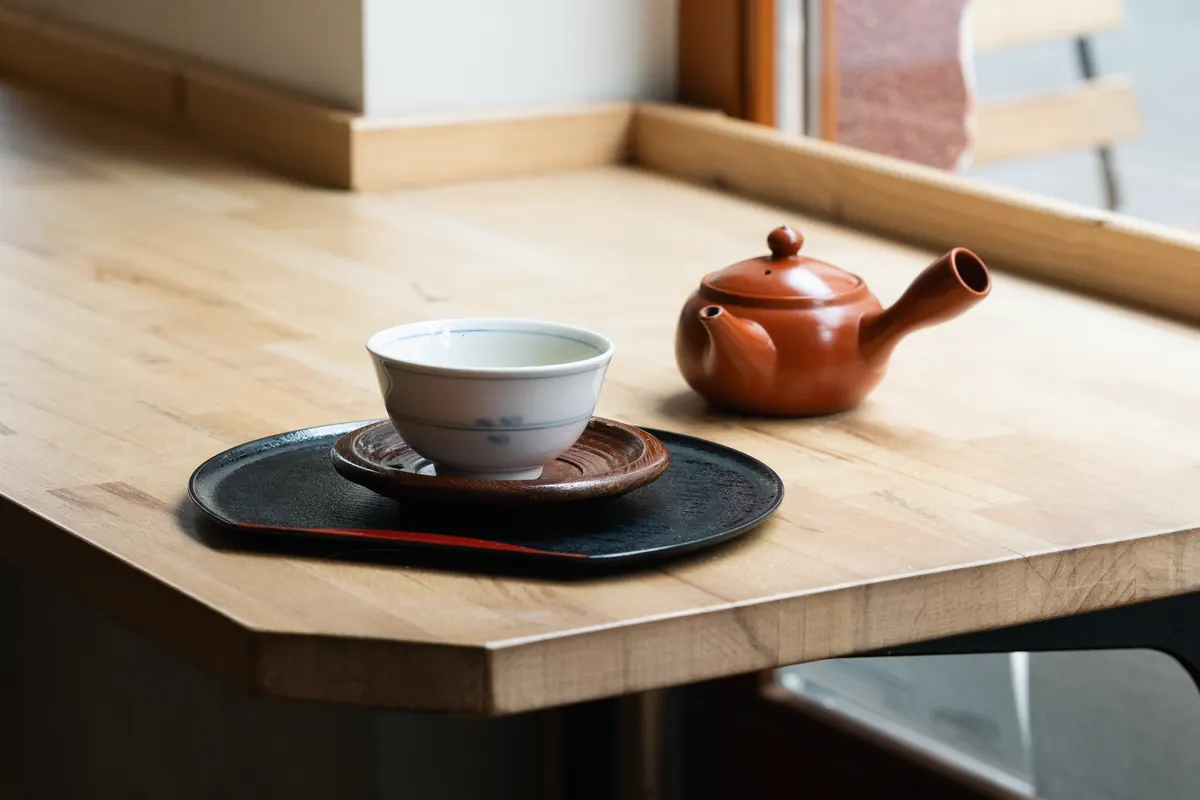
- Vessel: porcelain or glass, so you can watch the color build.
Skip milk and sugar. A first flush can usually be re-steeped once at a slightly longer time, and the second infusion often shows more fruit. If you're unsure about your water temperature, pour boiling water into a pitcher first, then into the pot — that drop of a few degrees is enough.
Dragon Well: Flat Leaves and Chestnut Sweetness
Dragon Well, or Longjing, comes from the hills around Hangzhou in Zhejiang province. What sets it apart is the firing: leaves are pressed and turned against a hot wok by hand, which flattens them into the characteristic sword shapes and locks in a toasted, nutty sweetness.
The most prized picking is mingqian — before Qingming, in early April. Those buds are tender and delicate, with a flavor of chestnut, toasted soybean, and fresh-cut grass, finishing sweet with very little bitterness. Later spring pickings are bolder, more vegetal, and more astringent, and they cost far less. Both are worth drinking; they're just different teas.
Brewing Dragon Well
Use water at 75–85°C. Green tea scalded with boiling water turns bitter fast, and Dragon Well has no roast to hide behind. A glass or gaiwan works well: 3 g per 200 ml, one to two minutes for the first steep, then shorter pours after that.
You can also brew it grandpa style — leaves straight into a tall glass, topped up with warm water as you drink. The leaves settle at the bottom, the liquor stays sweet, and there's nothing to time.
Shincha: Japan's First Taste of the Year
Shincha simply means "new tea": the first harvest of the year, usually lightly steamed to protect the fresh aroma. Because the leaves grew slowly through cool spring weather, they carry a lot of theanine, the amino acid behind that brothy, sweet sensation in Japanese green tea.
In the cup you'll find edamame, cut grass, cream, and a marine note, with much less astringency than later harvests. Some shincha is shaded before picking, which pushes the sweetness and umami even further. It is not a tea to cellar. Drink it young, ideally within a few months, while the green is still bright in the leaf.
Brewing shincha
- Heat water to 60–70°C. Cool it by pouring between two cups if you don't have a thermometer.
- Use 4–5 g of leaf for 150–200 ml — more leaf than you'd use for most teas.
- Steep 60–90 seconds. The first infusion should taste sweet and savory, not bitter.
- For a second steep, go slightly hotter and slightly shorter.
The spent leaves are tender enough to eat — a splash of ponzu or a pinch of salt turns them into a small side dish. As with all tea, shincha contains caffeine, so if caffeine is a concern for you, keep pours small or check with a healthcare professional about what suits you.
Buying and Storing Spring Teas
Spring teas reward a little discipline at the shop and at home.
- Look for a harvest date, not just a year. "First flush" without a date tells you very little.
- Buy small. Fifty grams of something fresh beats 250 g of something you'll finish in autumn.
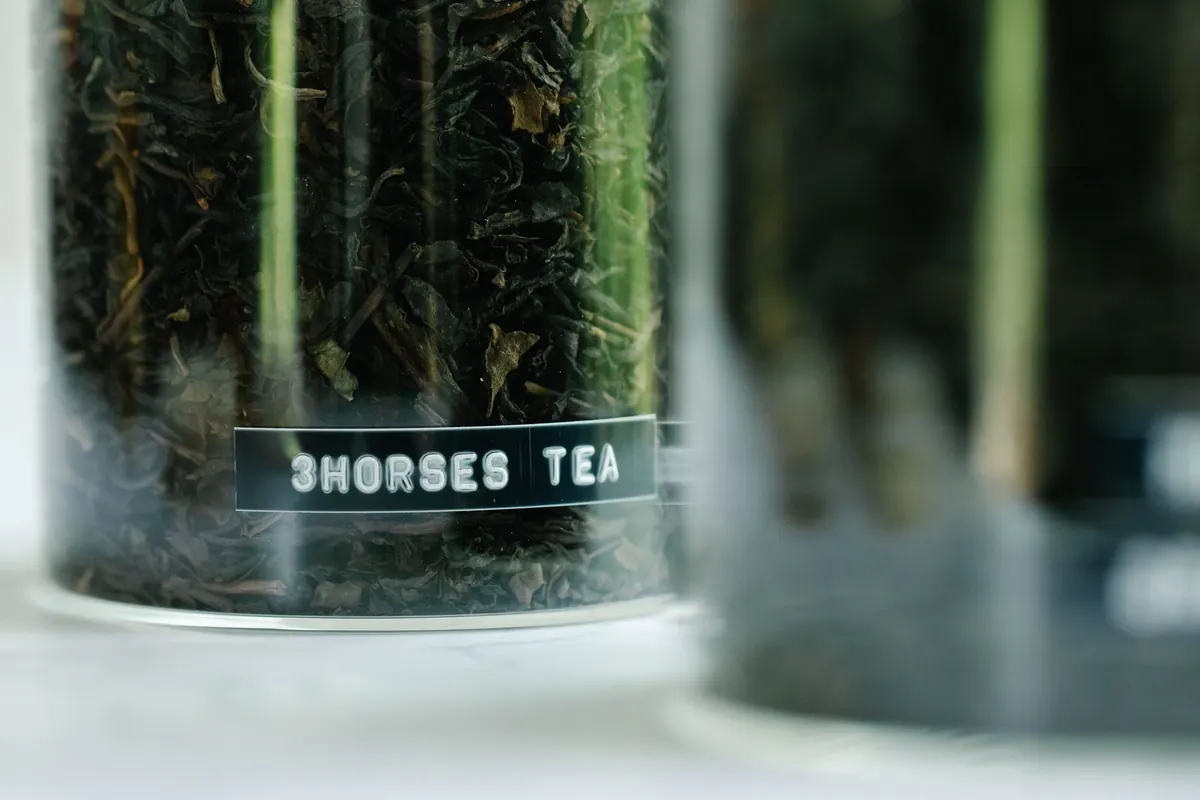
- Store airtight, away from light, heat, and strong smells — a tin in a cool cupboard is fine.
- Be careful with the fridge. It works only if the tea is sealed and you let it come to room temperature before opening, otherwise condensation ruins it.
Darjeeling first flush holds its character best for several months and is still pleasant at a year. Dragon Well and shincha are at their peak within weeks to a few months of opening.
Make It a Spring Tasting
One kettle, three small pots, an afternoon. Brew a first flush Darjeeling at 85°C, a Dragon Well at 80°C, and a shincha at 65°C, then taste them side by side. Notice that all three are green-tinged yet nothing alike: one is floral and wine-like, one is nutty and clean, one is savory and marine. That range is the argument for drinking with the calendar. Buy what's fresh, brew it gently, drink it before the season turns, and next spring you'll know exactly what you're waiting for.
Photo: 大 董 / Pexels